Ukrainian and European constitutional identity: NaUKMA and the University of Salamanca strengthen academic cooperation
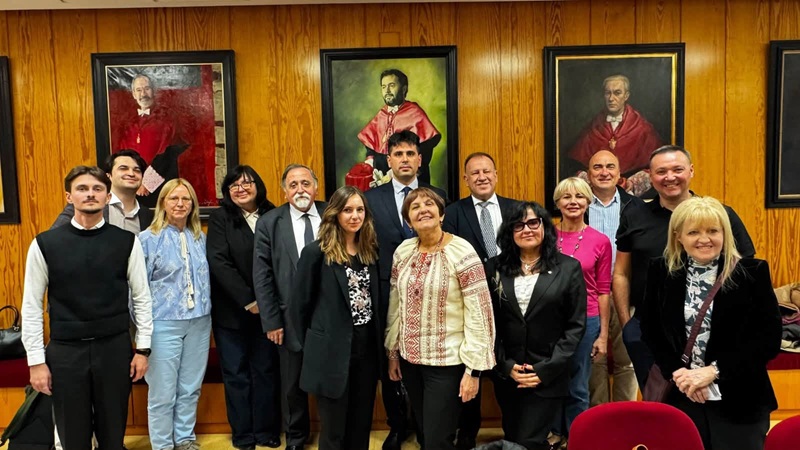
Ukraine’s constitutional tradition is part of a shared European legal heritage. Its development is rooted in the principles of human dignity, democracy, the rule of law, and respect for human rights. In the context of war and European integration, research into Ukrainian constitutional identity, the preservation of legal and cultural heritage, and its place within the European legal landscape has become particularly important.
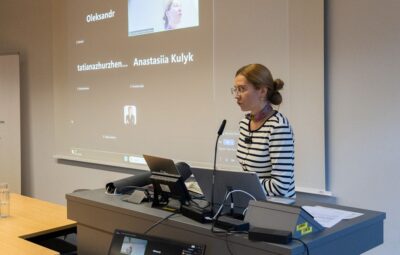
An international academic workshop entitled “Ukrainian and European Constitutional Identity: Part and Whole of a Common Heritage?” was held at Universidad de Salamanca (Spain), jointly organised by the Faculty of Law of the National University of Kyiv-Mohyla Academy and the Faculty of Law of the University of Salamanca.
The workshop opened with welcoming remarks by Volodymyr Venher, Dean of the Faculty of Law at NaUKMA, and Lorenzo Bujosa Vadell, Professor of Procedural Law at the University of Salamanca.
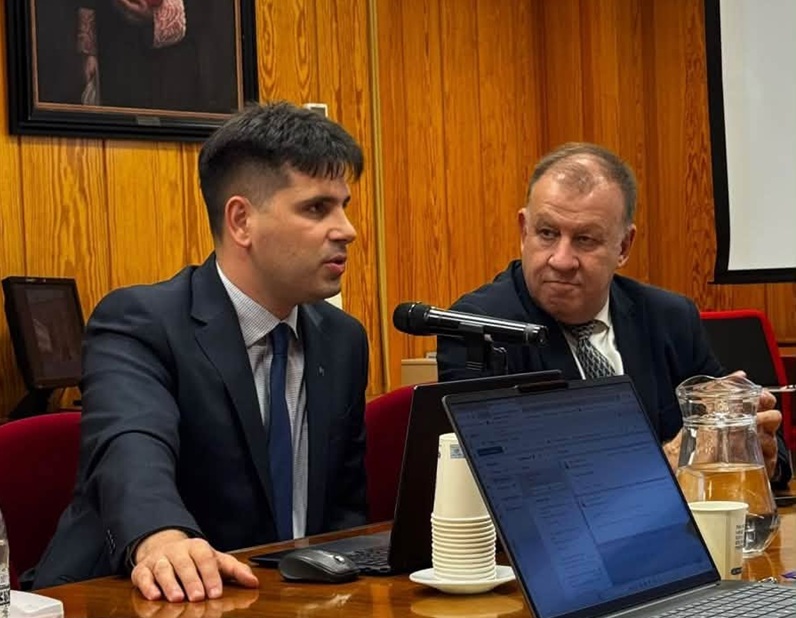
The workshop programme focused on two main themes:
– Ukrainian Constitutional Identity and the European Constitutional Tradition. Participants explored the constitutional values shared by European states, the distinctive features of Ukraine’s constitutional tradition, its development under martial law, and its significance for European integration.
– Common Heritage: Legal Protection, Resilience and the Digital Dimension. Discussions addressed legal mechanisms for protecting cultural heritage, including criminal law measures, the challenges of preserving heritage during war and occupation, the use of digital technologies, and the EU’s role in supporting Ukraine’s cultural heritage.
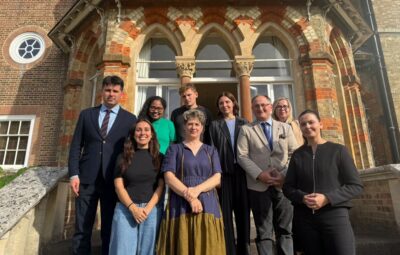
The workshop brought together members of the NaUKMA academic community, including Yurii Kliuchkovskyi, Myroslava Antonovych, Yuliia Matvieieva, Oleksiy Tseliev, Oleksii Horokh, as well as early-career researchers and other members of the university community.
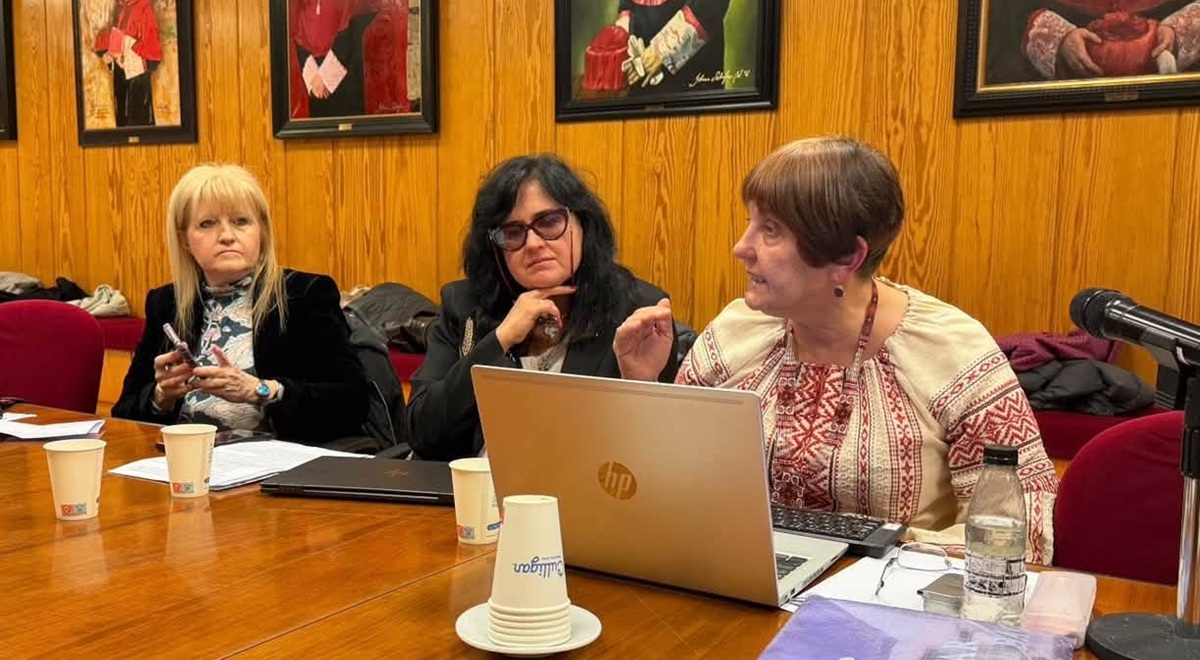
In addition to the academic workshop, a series of working meetings took place during the visit to explore the possibility of establishing a joint PhD programme leading to a double degree between the Faculty of Law at NaUKMA and the Faculty of Law at the University of Salamanca. Such cooperation could create new opportunities for doctoral training, joint research, and academic mobility between the two universities.
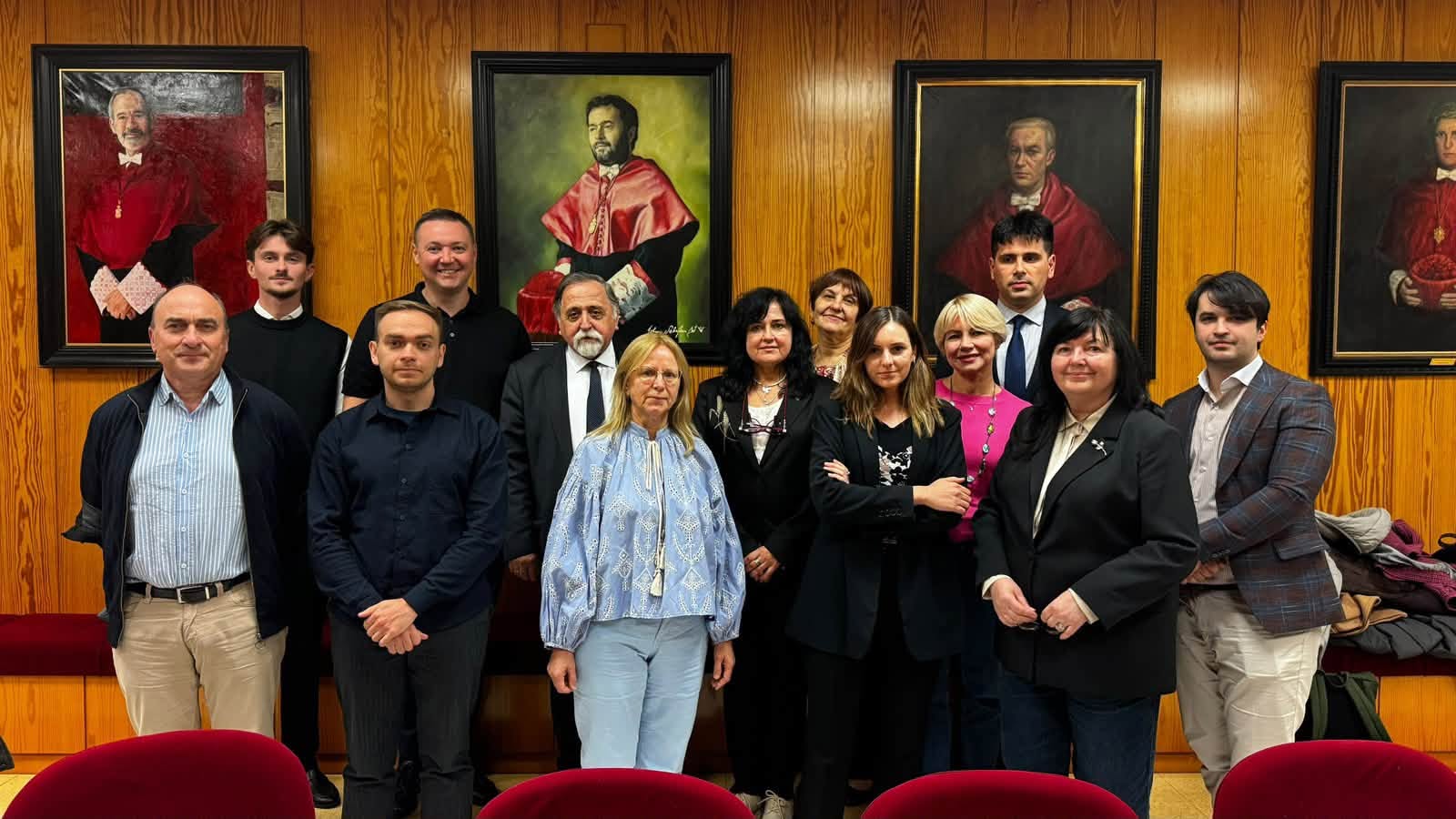
We extend our sincere gratitude to Universidad de Salamanca, Professor Lorenzo Bujosa Vadell, and our international partners for their cooperation. Special thanks go to Larysa Chovniuk, Vice President for International Cooperation at NaUKMA, for her organisational support in facilitating the workshop and meetings.