
International Roundtable on Accountability for Russia’s Crimes Against Ukraine Held
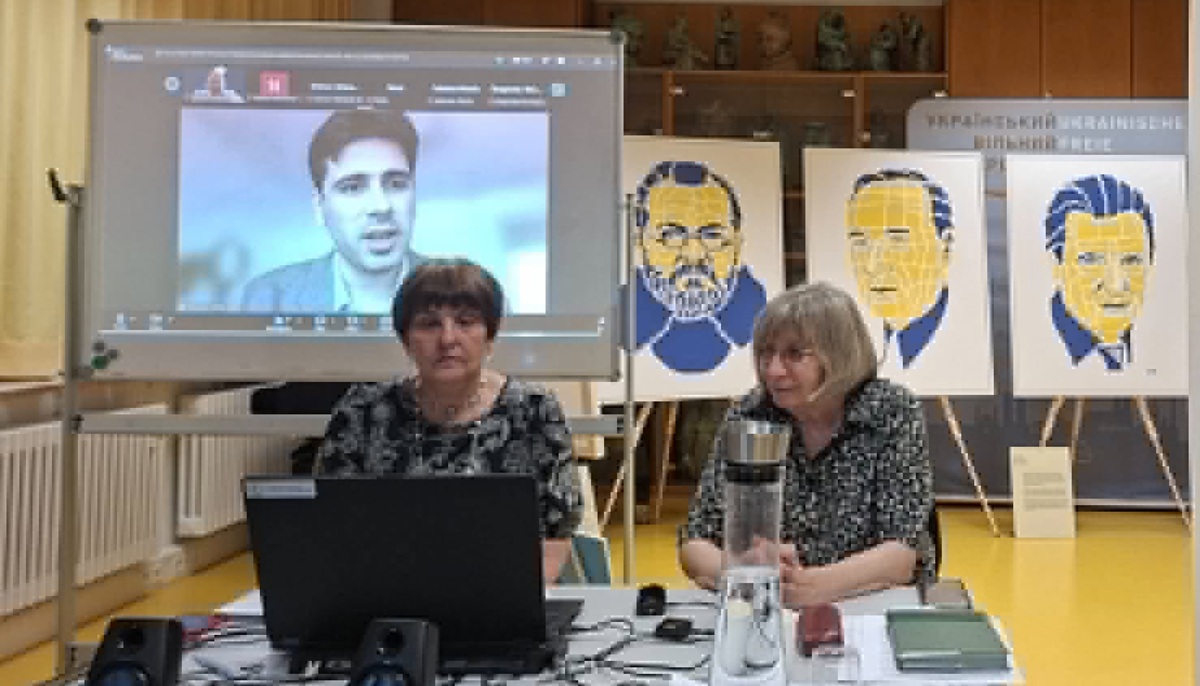
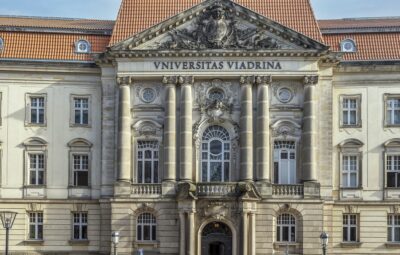
On 15 July 2026, the Centre for Genocide and Human Rights Studies at the Faculty of Law of the National University of Kyiv-Mohyla Academy (NaUKMA), in cooperation with the Ukrainian Free University in Munich, held the international roundtable “Crimes of the Russian Federation during Aggression against Ukraine and Accountability for Them.” Conducted in a hybrid format, the event continued a series of annual academic discussions dedicated to the international legal aspects of accountability for crimes committed by the Russian Federation during its aggression against Ukraine.
The participants were welcomed by Larysa Didkovska, Rector of the Ukrainian Free University, and Volodymyr Venher, Dean of the NaUKMA Faculty of Law. The roundtable was moderated by Myroslava Antonovych, Director of the Centre for Genocide and Human Rights Studies and Professor at the Department of International and European Law of the NaUKMA Faculty of Law.
The event brought together leading Ukrainian and international scholars and experts, including Bohdan Futey, U.S. Federal Judge and Professor at the Ukrainian Free University and NaUKMA; Patrícia Jerónimo, Professor at the University of Minho (Portugal); Stefan Weber, Professor at Saarland University (Germany) and NaUKMA; Marta Barandiy, Doctor of Law (Belgium) and affiliated with the Ukrainian Free University; Nataliia Subotina, Doctor of Law at the Ukrainian Free University and the Ukrainian Catholic University; and Maksym Vishchyk, Doctor of Law at NaUKMA and Global Rights Compliance.
This year’s roundtable focused primarily on issues of international legal accountability for crimes related to Russia’s aggression against Ukraine. Participants discussed accountability for gross human rights violations, the implementation of international judicial decisions concerning crimes against humanity and genocide, the prospects for establishing a Special Tribunal for the Crime of Aggression against Ukraine as a key element of the international justice system, and mechanisms for ensuring accountability for damage caused to the marine environment.
Special attention was also devoted to the political challenges affecting the effectiveness of international justice, obstacles to holding perpetrators accountable for Russian crimes, and the future of the international legal order in the context of violations of one of the fundamental principles of international law—the prohibition of the use of force.
The discussion covered a broad range of pressing issues in contemporary international law, from international responsibility for the abduction of the President of Venezuela to the nature of the prohibition of the use of force as a jus cogens norm, from the limitations of the International Criminal Court’s jurisdiction over in absentia proceedings to the overall effectiveness of international legal accountability mechanisms.
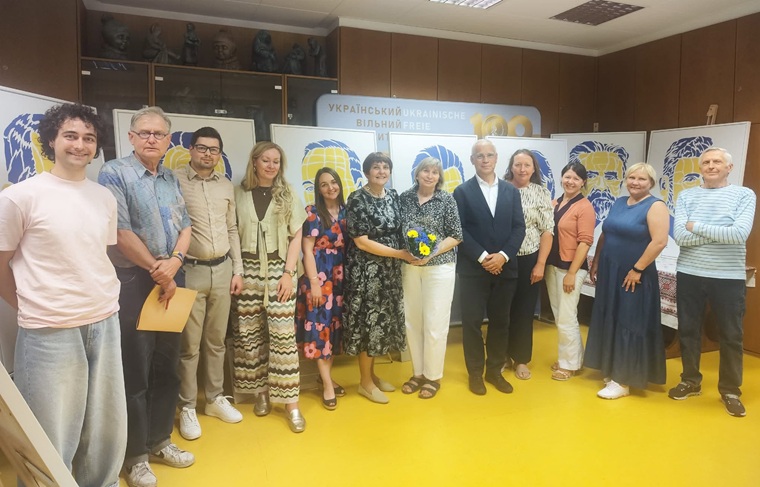
The roundtable once again demonstrated the importance of international academic dialogue in identifying effective legal mechanisms for ensuring accountability for crimes committed during Russia’s aggression against Ukraine. It also reaffirmed the value of strengthening cooperation between the National University of Kyiv-Mohyla Academy and the Ukrainian Free University in Munich.