International seminar in Kraków explores digitalisation of judicial systems in Ukraine and Germany

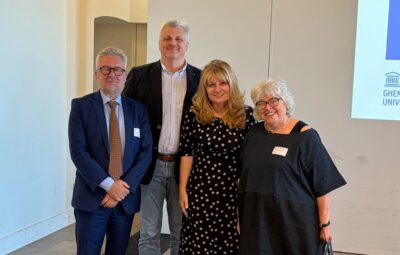
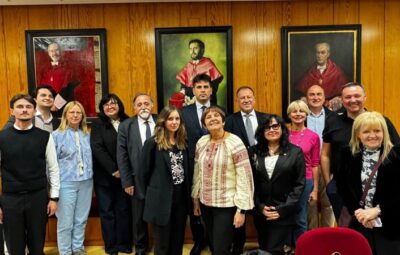
On 26–27 May 2026, an international seminar entitled “The State of Digitalisation of the Judicial System in Germany and Ukraine” took place at the Jagiellonian University in Kraków, as part of the comparative legal research project “E-Justice in Focus: A Comparative Study of Germany and Ukraine”. The event marked the culmination of the project team’s research activities and an important milestone in strengthening international academic cooperation between Ukrainian and German partners.
The seminar was organised by the National University of Kyiv-Mohyla Academy (NaUKMA), the Centre for Interdisciplinary Constitutional Studies, and TH Köln – University of Applied Sciences. Participants discussed current challenges and future prospects for the digitalisation of judicial systems, including e-justice, the use of artificial intelligence, and the legal frameworks governing digital transformation in the justice sector.

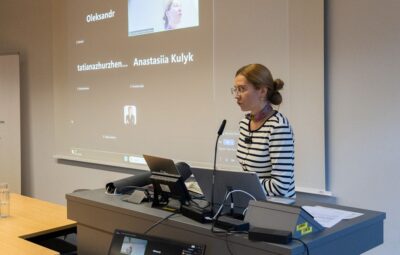
As part of the seminar, Ukrainian members of the research project presented their findings:
- Volodymyr Venher, Dean of the NaUKMA Faculty of Law and Associate Professor at the Department of General Theoretical Jurisprudence and Public Law — “The Legislative Framework for the Digitalisation of the Judicial System in Ukraine”.
- Ivan Yatskevych, Head of the Department of Private Law at the NaUKMA Faculty of Law — “Digitalisation in Labour Dispute Resolution: What Is the ILO Approach?” (online).
- Daria Bohatchuk, Senior Lecturer at the Department of General Theoretical Jurisprudence and Public Law — “Artificial Intelligence Systems in Courts: Intellectual Property, Transparency and Evidence” (online).
As part of the ongoing implementation of the Memorandum of Cooperation between NaUKMA and the Supreme Court of Ukraine, representatives of the Court also participated in the seminar, continuing an established tradition of academic collaboration. They included Supreme Court judges Vitalii Urkevych and Pavlo Parkhomenko, as well as Rasim Babanly, First Deputy Head of the Court’s Secretariat and Head of its Department of Analytical and Legal Affairs.

Throughout the discussions, participants emphasised the importance of striking a balance between the technological modernisation of judicial proceedings and the protection of fundamental human rights, the rule of law, and access to justice. The seminar also provided a platform for exploring opportunities for further joint research and academic initiatives in the field of digital justice.
We extend our sincere gratitude to Monika Florczak-Wątor and Simon Heetkamp for their longstanding cooperation and continued support for the development of Ukrainian legal scholarship.